
Chemotherapy pricing confuses people more than any surgical package, because the figure that matters is a per-cycle price multiplied across a treatment plan, with tests and supportive care running alongside. Getting to a real budget means knowing what a “cycle” quote in India covers, the honest range those quotes span, and which items hospitals bill beside them.
Already have a diagnosis and a proposed regimen? Message us on WhatsApp or use our contact form. We can arrange an independent review and itemized quotes. We respond within four business hours.
Methodology: Sources: hospital-published package rates and itemized quotes from real cases we coordinated, updated July 2026. Treat these as plausibility ranges; the itemized quote for your case is the real number.
This article is general information, not medical advice. Every statement about treatment here is subject to the judgment of a registered oncologist who has reviewed your case.
What is a chemotherapy cycle?
A chemotherapy cycle is one round of drug administration followed by a rest period for your body to recover, commonly a few weeks per cycle. A treatment course is a planned series of cycles; many common regimens run to 4–8 cycles, though your oncologist may plan fewer or more depending on cancer type, stage, treatment goal and how you respond.
That structure is why per-cycle pricing exists, and why it can mislead: a quoted cycle price only becomes a budget once you multiply it by the planned cycle count and add everything billed outside the cycle.
How much does chemotherapy cost per cycle in India?
| Item | Plausible range (INR, per cycle) | Approx. USD |
|---|---|---|
| Conventional chemotherapy, private hospitals | ₹20,000 – ₹2,00,000 | ~$240 – $2,400 |
Notes that matter more than the numbers:
- The band is wide because the drug is the price. A cycle built on long-established generic drugs sits near the lower end; multi-drug regimens with newer agents climb toward and past the upper end.
- Targeted therapies and immunotherapy are a different budget category. These newer drug classes can price well above the conventional-chemotherapy band per cycle. If your regimen includes them, get the drug names and per-cycle drug cost in writing before planning anything.
- These figures are plausibility ranges compiled as described above: never an offer, never a basis for payment. Only an itemized quote naming your drugs, doses and setting is real.
What factors determine the price of chemotherapy in India?
- The regimen. The specific drugs and doses your oncologist prescribes dominate the price. Different regimens can treat the same cancer at different costs, and that choice is a clinical decision first, never a shopping decision.
- Generic versus originator brands. India manufactures high-quality generics of many chemotherapy drugs, and hospitals differ in which brands they stock and quote. It is legitimate to ask your oncologist whether a quality generic is appropriate in your protocol.
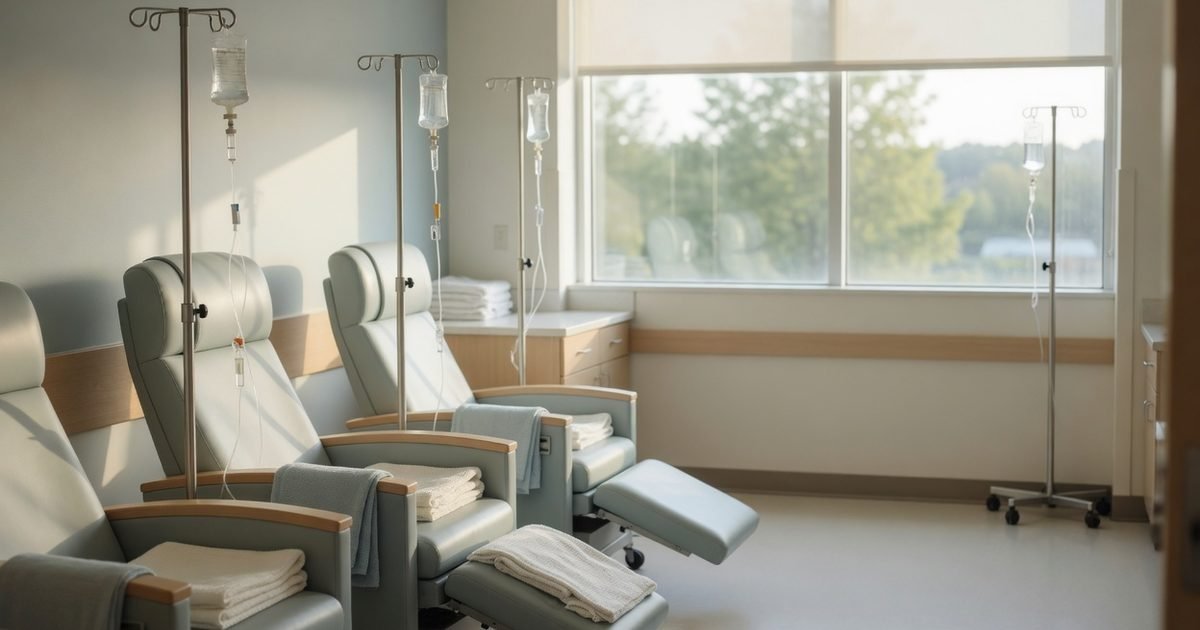
- Day-care versus inpatient administration. Many cycles run in a day-care chair over some hours, at day-care prices. Regimens needing longer infusion times, close monitoring or admission cost more per cycle.
- Hospital tier and city. Metro flagship oncology units quote above equally accredited non-metro hospitals for the same regimen, and the difference compounds across 6–8 cycles.
- Supportive medication. Anti-nausea drugs, growth-factor injections to support blood counts, and protective agents are part of real-world chemotherapy and appear on real-world bills.
- Your clinical situation. Kidney or liver function, age, other conditions and complications (for example, an infection between cycles) all change monitoring and admission needs.
What costs are not included in the per-cycle chemotherapy price?
Budget for these separately, because hospitals usually bill them outside the cycle price:
- Diagnostics and staging: biopsy review, immunohistochemistry or molecular tests, PET/CT or other imaging (at the start, and again to assess response partway through).
- Port or PICC line placement, if your regimen needs reliable vein access.
- Pre-cycle blood tests before every single cycle.
- Take-home medication between cycles.
- Unplanned admissions for side-effect management.
- Living costs: because a course spans months, accommodation near the hospital for you and an attendant is a genuine line in the budget, often comparable to a treatment line over a full course.
Ask each hospital for a written estimate structured exactly this way: per-cycle price × planned cycles, plus recurring items, plus one-time items. A hospital willing to itemize to this level tells you something useful about how it will bill you later.
How do I compare two chemotherapy quotes from different hospitals?
Because chemotherapy billing has so many moving parts, headline comparisons mislead. A practical method:
- Fix the regimen first. Ask each hospital to quote the same named drugs and doses your oncologist has proposed. Otherwise you are comparing different treatments, not different prices.
- Ask for the drug line separately. The drug cost inside each cycle is the number that varies most between hospitals; seeing it isolated tells you where a difference comes from.
- Multiply out the full course. Per-cycle price × planned cycles, plus the recurring blood tests, plus one-time items. A hospital that is slightly higher per cycle but includes supportive medicines can be lower over a full course.
- Ask what happens when plans change. Oncologists adjust regimens mid-course when the scans call for it; ask how re-quoting works so a clinical change does not become a billing dispute.
- Get it all in writing. Every number in this comparison should exist on paper with a date. Verbal estimates are not quotes.
This comparison is the work we do for patients: we itemize every hospital’s numbers to the same structure, so the differences you see are real.
How does chemotherapy affect travel plans for international patients?
Unlike a single surgery, chemotherapy is a months-long relationship with a treatment centre. International patients handle this in three broad patterns:
- Stay in India for the full course: simplest clinically; requires long-stay planning and an appropriate medical visa with extensions.
- Split care: diagnosis, surgery and/or initial cycles in India, then continuing cycles with a home oncologist using the written protocol. Feasible only when both treating teams agree and the drugs are available at home.
- India for specific phases: for example, surgery in India, chemotherapy entirely at home, or the reverse, driven by cost and drug availability in your country.
There is no universally right pattern; there is the pattern your oncologists agree on. In every case we insist on a complete written protocol and records set moving with you, so no doctor is guessing what the last one did.
Should I get an independent review before starting chemotherapy?
Oncology is a field where an independent second look earns its fee. Staging, regimen choice and treatment sequence differ between reasonable specialists, and the costs of getting it wrong run in both directions: overtreatment and undertreatment. A written independent second opinion from Medtu Care reviews your pathology, staging and proposed regimen for a flat fee, from an oncologist with no stake in where you are treated. Our oncology page describes the clinical scope we coordinate.
How does Medtu Care coordinate chemotherapy in India?
We take no commissions from hospitals. Our fees are paid by you, published upfront, and itemized separately from your hospital bill. For cancer care that means: an independent specialist review first, itemized per-cycle quotes from multiple hospitals matched to your case, and coordination of admission, visa and long-stay logistics. You always pay the hospital directly. Our published fees are on the fees page.
Want your regimen reviewed and quoted in writing? Message us on WhatsApp or send your details. We respond within four business hours.
Sources
- CGHS package rate list, Kanpur and Gwalior, updated 11 July 2024 — Central Government Health Scheme, Ministry of Health and Family Welfare. Under the heading “NUCLEAR MEDICINE / CHEMOTHERAPY” the government schedule prices “Single drug” at ₹552.00, “Multiple drugs” at ₹897.00 and “Targeted therapy” at ₹920.00 in the non-NABH column: sitting charges, which is why the regimen rather than the chair drives a per-cycle price. “Chemoport facility” and “PICC line (peripherally inserted Central Cannulisation)” appear as their own priced lines at ₹920.00 each, confirming they sit outside the cycle figure. Accessed 28 July 2026.
- CGHS Rate List — Central Government Health Scheme, Ministry of Health and Family Welfare. The official rate table is keyed by city tier, hospital category (NABH / non-NABH / super-speciality) and ward category, so hospital tier and setting are formal price dimensions even inside a government scheme. Accessed 28 July 2026.