
Medical treatment in India from Kenya
Kenya to India is one of the most established medical travel routes in Africa: an online e-Medical visa, direct Nairobi–Mumbai flights most days of the week, and English-speaking care at both ends. What has changed is the money: with SHA overseas funding now tightly capped, most families are self-funding, and that makes honest, itemized costs the thing that matters most. That is the part we are built for.
You always pay the hospital directly. We never hold treatment money. Our fees are published on the Fees page and appear as a separate line item, never inside a hospital bill.
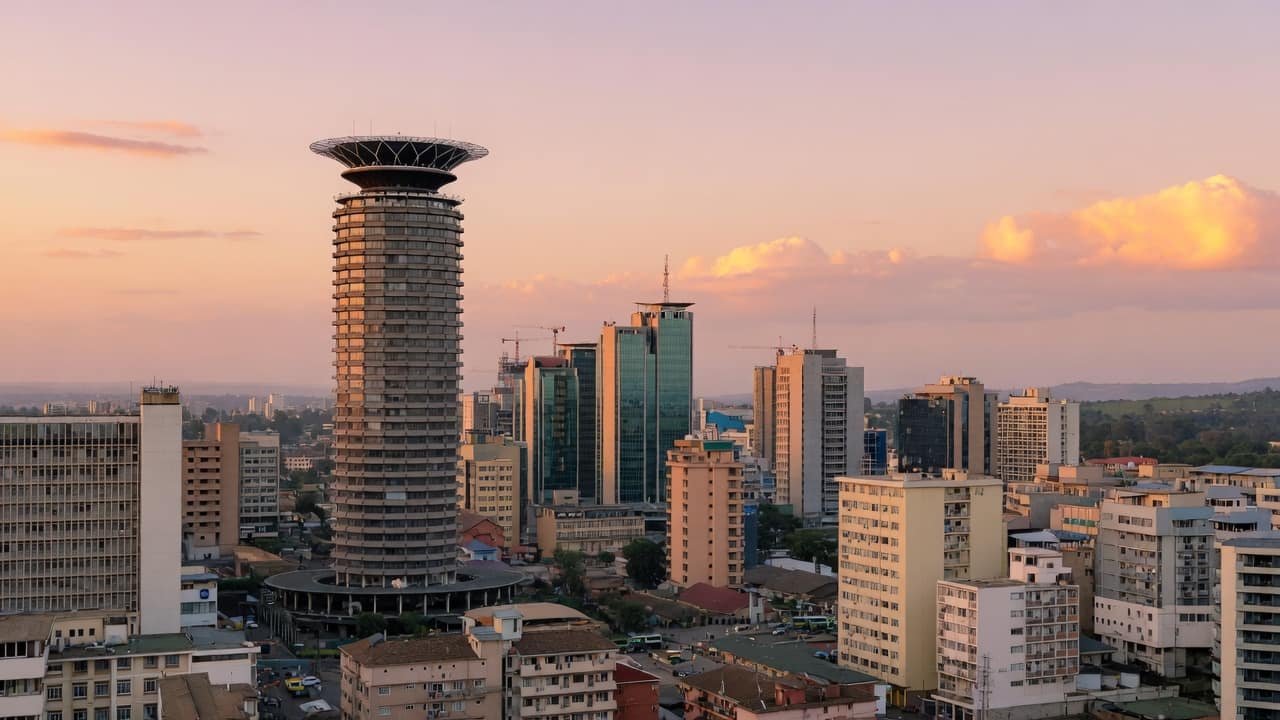
Nairobi to Mumbai, most days
Around nineteen direct flights a week and an online e-Medical visa. We plan the travel around your admission date.
Who this guide is for
- A specialist procedure has been advised (cardiac, cancer care, kidney or urology, orthopedics) and you are weighing options beyond Kenya
- Your case falls outside what SHA will fund overseas, or the cap will not cover it, and the family is planning to self-fund
- A harambee, M-Changa campaign or family committee is raising the money, and you need cost documents everyone can read and trust
- You are in the Kenyan diaspora, or of Indian origin in Kenya, arranging treatment for a relative
How it works, step by step
- 1
Your records
You share your diagnosis and what has been advised. We send a secure link for reports and imaging (nothing sensitive goes through the website form) and organize them into a file a specialist can act on.
- 2
Teleconsult or written second opinion
Before any travel, a specialist relevant to your condition reviews your case: a $50 video consultation or a $150 written opinion. Sometimes the honest answer is that treatment at home, or a different destination, is the better plan.
- 3
Your call
If treatment in India makes sense, you get itemized quotes from suitable hospitals and a side-by-side comparison for your case. You decide; there is no obligation to continue.
- 4
e-Medical visa
Kenyan nationals apply online for the Indian e-Medical visa. We coordinate the hospital invitation letter the application needs and give you a document checklist. Up to two family members can apply for linked e-Medical Attendant visas.
- 5
Travel
Nairobi–Mumbai has direct flights most days. Our travel arm Tripcuro plans flights around your admission date, airport pickup, and accommodation near the hospital.
- 6
Treatment
You pay the hospital directly, on the hospital’s own invoice, at the rates locked before you flew. A named coordinator handles the practical side so your family can focus on you.
- 7
Follow-up at home
Before you fly back you get your complete records, a discharge bill audit against the locked quote, and a follow-up plan your doctor in Kenya can pick up.
Visa reality
Kenyan nationals are eligible for India's e-Medical visa, applied for entirely online, with no embassy queue. The portal currently lists it with one-year validity and multiple entries, and up to two companions can apply for linked 60-day e-Medical Attendant visas. We coordinate the hospital invitation letter your application needs and hand you a checklist; decisions and timelines belong to the Indian authorities, and we will never pretend to influence them. OCI cardholders do not need a medical visa at all.
Flights reality
Nairobi–Mumbai is a direct route: Kenya Airways flies it around twelve times a week and IndiGo daily, roughly nineteen non-stop flights weekly. You can plan travel around an admission date rather than around scarce seats. Treatment in other Indian cities usually means a short domestic connection from Mumbai. Tripcuro, our sister travel company, handles the bookings, airport pickup and accommodation near your hospital.
How payment works
Two separate payments, never mixed. Treatment costs go from you to the hospital directly, on the hospital's own invoice, at rates we lock in writing before you travel. We never hold or route treatment money. Our facilitation fee is published on the Fees page ($50 teleconsult · $150 written second opinion · $1,000 full journey, milestone-gated), each step credited in full to the next. Every document (quote, fee invoice, milestone receipt) is written to be shared with the people funding the journey, whether that is a harambee committee, an M-Changa campaign, or a relative abroad.
How Kenyan families fund this journey
In most Kenyan cases the payer is a committee: a family WhatsApp group, a church, a harambee treasurer, a relative abroad. Every document we produce (quote, fee invoice, milestone receipt) is written for that reality: verifiable numbers a committee can read, question, and trust.
Harambee and M-Changa
Communal chip-in for medical bills is institutionalized in Kenya, and it has gone digital: M-Changa hosts medical campaigns alongside weekend harambees rather than replacing them. One widely reported campaign raised about KES 5.2 million (roughly US$40,000) for a child's bone-marrow transplant in India. Campaigns on that scale show that organized communal fundraising can carry a large case. A campaign needs numbers donors can verify, which is what an itemized quote and a published fee are for.
SHA and self-funding
As of April 2026, SHA overseas funding is capped at KSh 500,000 per patient per year, limited to 36 listed procedures unavailable in Kenya, and usable only at nine approved overseas hospitals. Confirm your own position with SHA before planning around it. For most families that means the bulk of the bill is self-paid, which is when an advisor on the patient's side of the table, with a published fee, earns its keep.
Diaspora and OCI
Kenya is home to roughly 100,000 people of Indian descent (formally recognized as Kenya's 44th tribe) and a large diaspora abroad. OCI cardholders need no medical visa at all, and a relative in the UK, US, or Gulf can pay the hospital directly in their own currency. The process is built to run with the patient in Kenya and the payer on another continent, with both seeing the same documents.
How most agents here are paid, and how we are
Nairobi has more India-treatment agents and hospital-run information desks than almost any other African city, and most are free to the patient, because a hospital pays them a commission for each patient delivered. Industry analyses put those commissions at roughly 7.5–30% of the bill, and the padding built into legacy-broker quotes at 25–35%. "Free" shapes where you are sent, and it is ultimately priced into what you pay. We take no commissions from hospitals. Our fees are paid by you, published upfront, and itemized separately from your hospital bill. Put our itemized quote next to any package and compare, line by line. We encourage it.
What to prepare
- A passport valid well beyond your travel dates (check the current validity requirement when applying)
- Your most recent medical reports, imaging and prescriptions (originals where possible)
- A referral or summary letter from your treating doctor in Kenya, if you have one
- A realistic funding plan: who is paying, and how the money reaches the hospital directly
- Your two or three most important questions for the specialist, written down
Treatment guides by specialty, for patients from Kenya
Each of these covers the same Kenya process (records, an independent review, itemized quotes, then coordination) with the detail that matters for that field of medicine.
-
Cardiology & Cardiac Surgery
Consultations and coordinated treatment for heart conditions, from angioplasty to bypass and valve surgery.
Read the guide →
-
Nephrology & Kidney Care
Kidney disease consultations, dialysis planning, and transplant evaluation strictly within Indian transplant law.
Read the guide →
-
Neurology & Neurosurgery
Specialist review and coordinated treatment for brain, spine, and nerve conditions.
Read the guide →
-
Oncology
Second opinions on cancer diagnosis and treatment plans, and coordinated cancer care in India.
Read the guide →
-
Orthopedics & Joint Replacement
Joint replacement, spine surgery, and sports injury procedures with rehabilitation planned in.
Read the guide →
-
Urology
Kidney stones, prostate conditions, and urological surgery coordinated with specialists across India.
Read the guide →
Useful guides to read next
From Kenya: FAQs
Do Kenyans need to visit an embassy for an Indian medical visa?
Are there direct flights from Nairobi to India?
Will SHA pay for my treatment in India?
How do harambee or M-Changa funds work with your fees?
I hold an OCI card: do I still need a medical visa?
We are considering a kidney transplant: is there extra paperwork?
Tell us about your case
A few lines are enough to start. We respond within four business hours.
Start from Nairobi, Mombasa, or anywhere in Kenya
Share your case in a few lines. WhatsApp works well for this. A person reads it and comes back with honest next steps, including whether travelling is worth it at all.
We respond within four business hours.
We are a small team — on weekends, expect a reply within one business day.