
Medical treatment in India from Nigeria
Nigerians travel to India for treatment in large numbers (cardiology, cancer care, kidney care, orthopedics, neurology), but this corridor has two honest frictions: an in-person visa process that takes real time, and no direct flights. Both are manageable with preparation, and neither needs to be paid for twice. This guide sets out the process as it stands, including why the remote steps, which need no visa, are the right place to start.
You always pay the hospital directly. We never hold treatment money. Our fees are published on the Fees page and appear as a separate line item, never inside a hospital bill.
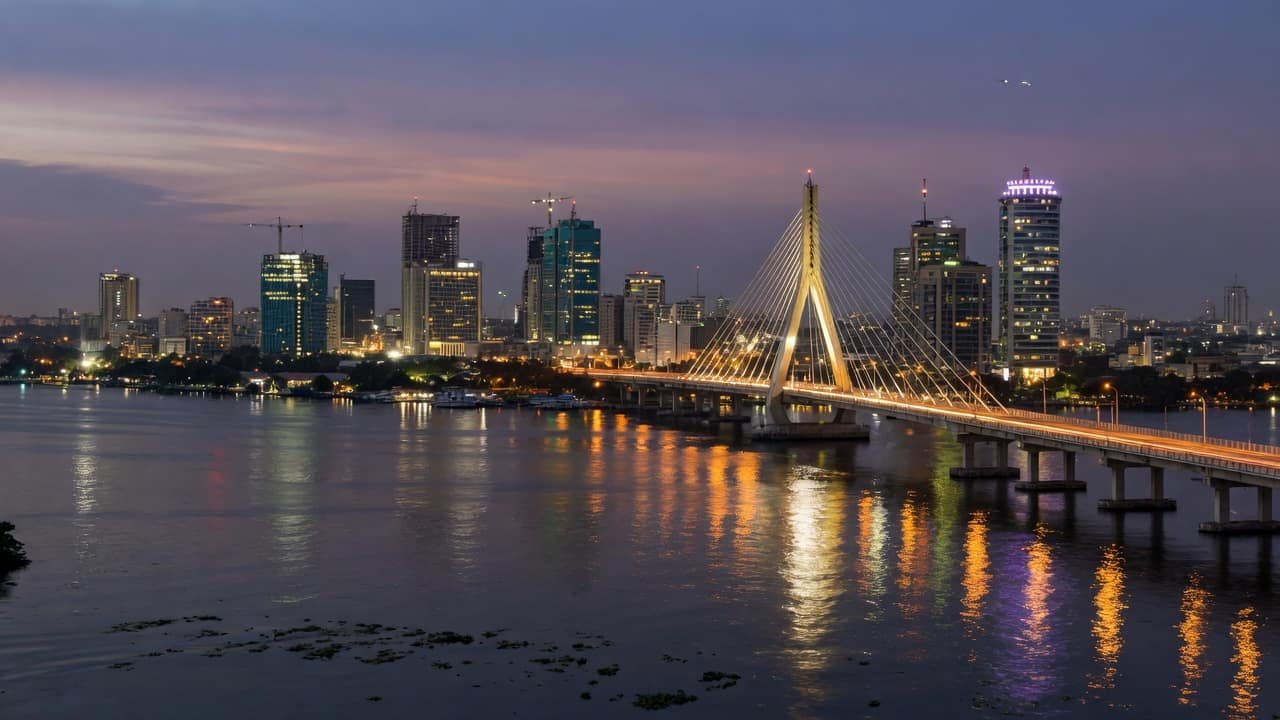
Start from home
A specialist review of your records needs no visa at all. Begin from Lagos, Abuja, or anywhere, before spending anything on travel.
Who this guide is for
- A specialist procedure has been advised (cardiology, cancer care, kidney care, orthopedics, neurology) and you are weighing India against other options
- You have dealt with agents whose service was “free” and whose quotes kept growing, and you want costs you can verify
- A family member abroad (UK, US, Gulf) is funding or co-funding the treatment and wants to see exactly where the money goes
- You want a specialist’s independent opinion on your file before spending anything on visas or travel
How it works, step by step
- 1
Start with records
You share your diagnosis and what has been advised. We send a secure link for reports and imaging (nothing sensitive goes through the website form) and organize them into a file a specialist can act on.
- 2
Teleconsult or written second opinion
This is the smart place for Nigerian patients to start, because it needs no visa at all: a $50 video consultation or a $150 written opinion from a specialist relevant to your condition, from home in Lagos, Abuja, or anywhere.
- 3
Your call
If treatment in India makes sense, you get itemized quotes from suitable hospitals and a side-by-side comparison for your case. You decide, and there is no obligation to continue.
- 4
The visa: honestly, the slow part
Nigerian applicants currently go through an in-person sticker visa at the High Commission of India (Abuja) or the Consulate (Lagos), with a documented paper trail. We prepare the hospital-side documents and give you a complete checklist. Plan in weeks, not days.
- 5
Travel
There are currently no direct Nigeria–India flights; the journey is typically one stop, via Addis Ababa, Doha, Dubai, or Nairobi. Our travel arm Tripcuro plans routing around your admission date, airport pickup, and accommodation near the hospital.
- 6
Treatment
You pay the hospital directly, on the hospital’s own invoice, at the rates locked before you flew. A named coordinator handles the practical side so your family can focus on you.
- 7
Follow-up at home
Before you fly back you get your complete records, a discharge bill audit against the locked quote, and a follow-up plan your doctor in Nigeria can pick up.
Visa reality
We will not sugar-coat this: for Nigerian nationals the Indian medical visa is currently an in-person sticker visa through the High Commission in Abuja or the Consulate in Lagos. The High Commission states there is no e-Visa facility for Nigerian nationals, whatever some websites claim. The file includes a referral letter from a Nigerian hospital, an invitation letter the Indian hospital sends directly to the mission (we coordinate that), certified bank statements, and a yellow fever certificate. We prepare the paperwork and the checklist; the decision and the timeline belong to the mission. Plan in weeks, and start the remote steps meanwhile, because they need no visa.
Flights reality
There are currently no direct Nigeria–India flights. The last Lagos–Mumbai service stopped in 2024. Expect one stop, typically via Addis Ababa, Doha, Dubai, or Nairobi, and a long total journey. That is worth planning around your condition: seat class, stopover length, and arrival timed to your admission. Tripcuro, our sister travel company, handles routing, airport pickup and accommodation near your hospital.
How payment works
Two separate payments, never mixed. Treatment costs go from you to the hospital directly, on the hospital's own invoice, at rates we lock in writing before you travel. We never hold or route treatment money. A relative abroad can pay the hospital directly in USD or GBP, which many Nigerian families prefer given naira volatility. Our facilitation fee is published on the Fees page ($50 teleconsult · $150 written second opinion · $1,000 full journey, milestone-gated), set in USD and confirmed in writing with a validity window, each step credited in full to the next. The itemized quotes and invoices we prepare are the documentation banks require for an official foreign-exchange application for medical treatment.
How the money actually moves
Published estimates put Nigeria's total outbound medical spend at US$1–2 billion a year (as of 2025), and since the 2023 float the naira has moved from around ₦460 to beyond ₦1,500 to the dollar. Planning the money is as much a part of this journey as planning the medicine, so here is the honest picture, as of mid-2026.
The official route: Form A
The formal channel for medical foreign exchange is a Form A application through your bank, which requires documentation of the treatment: the hospital's own invoice and admission letter. Access tightened after the January 2025 foreign-exchange code, so plan for it to be slow. The itemized quotes and invoices we prepare are exactly the file a Form A application needs; confirm current requirements with your bank.
How families actually pay
In practice, most treatment money reaches India as dollars from domiciliary accounts, as a relative in the UK, US, or Gulf paying the hospital directly, or as declared USD cash within customs limits. Some families source parallel-market dollars, which we neither arrange nor advise. We structure the paperwork so the official routes are as smooth as they can be, and you or your family always pay the hospital directly.
Fundraising, Nigerian-style
GoFundMe does not support organisers in Nigeria, so families raise treatment money through local crowdfunding platforms, church and community committees, and extended family. Those committees need numbers they can verify before they give: our fees are published, every hospital quote is itemized, and the documents are written to be posted straight into a campaign page or a family WhatsApp group.
A fee the naira cannot move
Our fees are set in US dollars, published on the Fees page, and confirmed to you in writing with a validity window, so a moving exchange rate cannot quietly change what you owe between quote and travel. A diaspora relative can also pay our fee directly, keeping the whole transaction outside naira volatility.
What to prepare
- An international passport valid well beyond your travel dates
- Your most recent medical reports, imaging and prescriptions (originals where possible)
- A referral letter from a Nigerian hospital, which the visa application asks for
- Bank statements: the application requires a certified recent statement, so start gathering financial documents early
- A yellow fever vaccination certificate
- A realistic funding plan: who is paying, in what currency, and how the money reaches the hospital directly
Treatment guides by specialty, for patients from Nigeria
Each of these covers the same Nigeria process (records, an independent review, itemized quotes, then coordination) with the detail that matters for that field of medicine.
-
Cardiology & Cardiac Surgery
Consultations and coordinated treatment for heart conditions, from angioplasty to bypass and valve surgery.
Read the guide →
-
Nephrology & Kidney Care
Kidney disease consultations, dialysis planning, and transplant evaluation strictly within Indian transplant law.
Read the guide →
-
Neurology & Neurosurgery
Specialist review and coordinated treatment for brain, spine, and nerve conditions.
Read the guide →
-
Oncology
Second opinions on cancer diagnosis and treatment plans, and coordinated cancer care in India.
Read the guide →
-
Orthopedics & Joint Replacement
Joint replacement, spine surgery, and sports injury procedures with rehabilitation planned in.
Read the guide →
-
Urology
Kidney stones, prostate conditions, and urological surgery coordinated with specialists across India.
Read the guide →
Useful guides to read next
From Nigeria: FAQs
Can Nigerians get the Indian e-Medical visa online?
What documents does the Indian medical visa from Nigeria need?
Are there direct flights from Lagos or Abuja to India?
How do I actually pay, given the naira situation?
Why should I pay you when other agents are free?
We are considering a kidney transplant: what should we expect?
Tell us about your case
A few lines are enough to start. We respond within four business hours.
Start from Lagos, Abuja, or anywhere in Nigeria
Share your case in a few lines. WhatsApp works well, and a person reads it and comes back with honest next steps, starting with the ones that need no visa.
We respond within four business hours.
We are a small team — on weekends, expect a reply within one business day.