
Medical treatment in India from Tanzania
The Dar es Salaam–India route is quieter than Nairobi's, but the rails are good: an online e-Medical visa, a non-stop Air Tanzania flight to Mumbai several times a week, and a long-established Indian-origin community that has been making this journey for generations. Whether your case is a government referral that never came through or a family decision to self-fund, the process below is the same, and it starts without anyone booking a flight.
You always pay the hospital directly. We never hold treatment money. Our fees are published on the Fees page and appear as a separate line item, never inside a hospital bill.
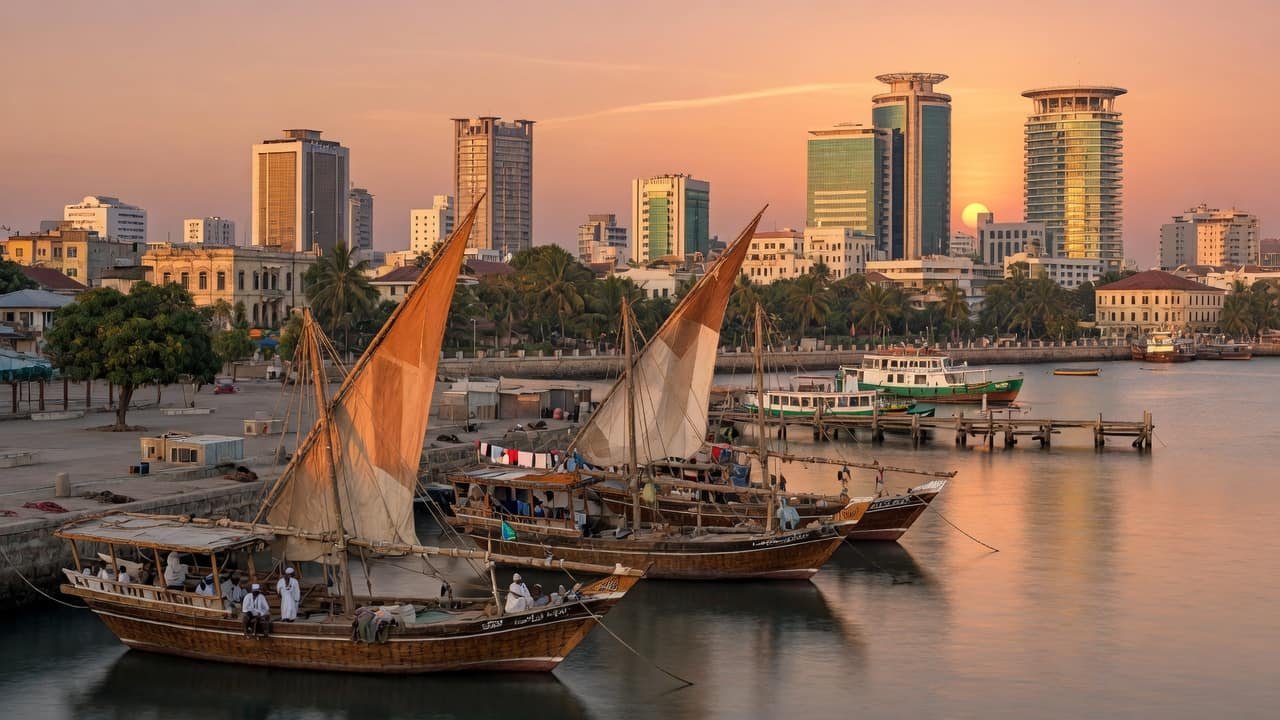
Dar es Salaam to Mumbai, non-stop
About five direct flights a week, so we plan admission dates and flight days together, around your treatment.
Who this guide is for
- A serious procedure has been advised (cardiac, cancer care, kidney, orthopedic) and the capability or the waiting you face at home makes travel worth considering
- You are self-funding: your case is not going through a government referral, or you would rather not wait for one
- You are part of Tanzania’s Indian-origin community, or the diaspora abroad, arranging treatment for a relative
- You want an independent read on your diagnosis before committing to anything, anywhere
How it works, step by step
- 1
Start with records
You share your diagnosis and what has been advised. We send a secure link for reports and imaging (nothing sensitive goes through the website form) and organize them into a file a specialist can act on.
- 2
Teleconsult or written second opinion
Before anyone boards a plane, a specialist relevant to your condition reviews your case: a $50 video consultation or a $150 written opinion. Sometimes the honest answer is no — the advised treatment can be done closer to home.
- 3
Decide with evidence
If treatment in India makes sense, you get itemized quotes from suitable hospitals and a side-by-side comparison for your case. You decide; there is no obligation to continue.
- 4
e-Medical visa
Tanzanian nationals apply online for the Indian e-Medical visa. We coordinate the hospital invitation letter the application needs and give you a document checklist. Up to two family members can apply for linked e-Medical Attendant visas.
- 5
Travel
Air Tanzania flies Dar es Salaam–Mumbai non-stop about five times a week. Our travel arm Tripcuro plans flights around your admission date, airport pickup, and accommodation near the hospital.
- 6
Treatment
You pay the hospital directly, on the hospital’s own invoice, at the rates locked before you flew. A named coordinator handles the practical side so your family can focus on you.
- 7
Follow-up at home
Before you fly back you get your complete records, a discharge bill audit against the locked quote, and a follow-up plan your doctor in Tanzania can pick up.
Visa reality
Tanzanian nationals are eligible for India's e-Medical visa, applied for entirely online, with no embassy visit needed. The portal currently lists it with one-year validity and multiple entries, and up to two companions can apply for linked 60-day e-Medical Attendant visas. We coordinate the hospital invitation letter your application needs and hand you a checklist; decisions and timelines belong to the Indian authorities, and we will never pretend to influence them. OCI cardholders do not need a medical visa at all.
Flights reality
Air Tanzania flies Dar es Salaam–Mumbai non-stop about five times a week, and it is the only direct service on the route, so admission dates and flight days need to be planned together. On other days, one-stop connections work; other Indian cities usually mean a short domestic connection from Mumbai. The route carries enough medical travel that the national carrier itself has co-marketed Mumbai health-travel packages (in 2024). This is a normal, well-worn journey. Tripcuro, our sister travel company, handles the bookings, airport pickup and accommodation near your hospital.
How payment works
Two separate payments, never mixed. Treatment costs go from you to the hospital directly, on the hospital's own invoice, at rates we lock in writing before you travel. We never hold or route treatment money, and a relative abroad can pay the hospital directly on your behalf. Our facilitation fee is published on the Fees page ($50 teleconsult · $150 written second opinion · $1,000 full journey, milestone-gated), each step credited in full to the next, always itemized apart from hospital charges.
How Tanzanian families fund this journey
The payer is often several people rather than one: a family committee, a trading-community network, a relative abroad. Every quote and fee invoice we prepare is written to be shared with the people actually funding the journey, and to stand up to their questions.
Government referral, honestly
The Ministry of Health does refer some patients abroad, with each case reviewed by a doctor panel against criteria that include cost and direct flights. If you qualify, pursuing it is the honest advice. Slots are limited, though, and many families eventually self-fund rather than wait. Our process serves both paths the same way: independent specialist review first, itemized quotes only if travel makes sense.
Why self-funding is common
Health financing at home has been under visible strain (in 2024 several large private hospitals in Tanzania suspended services to NHIF members), and serious cases increasingly travel on family money. Self-funding is precisely when verifiable, itemized costs matter most: you pay the hospital directly on its own invoice, and our fee is a separate published amount, never blended into the medical bill.
The Indian-origin community
Tanzania has an Indian-origin community of roughly 60,000 people (Government of India figures), anchored by a long-established Gujarati trading community that has made this journey for generations. OCI cardholders skip the medical visa entirely, and a relative abroad can pay the hospital directly in their own currency, with everyone seeing the same documents.
How most agents are paid, and how we are
Tanzania has far fewer organized medical-travel agents than Nairobi, so much of the "help" that reaches families here comes from abroad, and most of it is free to the patient because a hospital pays the agent a commission for each patient delivered. Industry analyses put those commissions at roughly 7.5–30% of the bill, and the padding built into legacy-broker quotes at 25–35%. "Free" shapes where you are sent, and it is ultimately priced into what you pay. We take no commissions from hospitals. Our fees are paid by you, published upfront, and itemized separately from your hospital bill. Put our itemized quote next to any package and compare, line by line. We encourage it.
What to prepare
- A passport valid well beyond your travel dates (check the current validity requirement when applying)
- Your most recent medical reports, imaging and prescriptions (originals where possible)
- A referral or summary letter from your treating doctor in Tanzania, if you have one
- A realistic funding plan: who is paying, and how the money reaches the hospital directly
- Your two or three most important questions for the specialist, written down
Treatment guides by specialty, for patients from Tanzania
Each of these covers the same Tanzania process (records, an independent review, itemized quotes, then coordination) with the detail that matters for that field of medicine.
-
Cardiology & Cardiac Surgery
Consultations and coordinated treatment for heart conditions, from angioplasty to bypass and valve surgery.
Read the guide →
-
Nephrology & Kidney Care
Kidney disease consultations, dialysis planning, and transplant evaluation strictly within Indian transplant law.
Read the guide →
-
Oncology
Second opinions on cancer diagnosis and treatment plans, and coordinated cancer care in India.
Read the guide →
-
Orthopedics & Joint Replacement
Joint replacement, spine surgery, and sports injury procedures with rehabilitation planned in.
Read the guide →
Useful guides to read next
From Tanzania: FAQs
Do Tanzanians need to visit an embassy for an Indian medical visa?
Are there direct flights from Dar es Salaam to India?
I heard the government can refer patients abroad. Should I wait for that?
How do I pay the hospital in India?
We are considering a kidney transplant: is there extra paperwork?
What languages does the process work in?
Tell us about your case
A few lines are enough to start. We respond within four business hours.
Start from Dar es Salaam, Zanzibar, or anywhere in Tanzania
Share your case in a few lines. WhatsApp works well. A person reads it and comes back with honest next steps, including whether travelling is worth it at all.
We respond within four business hours.
We are a small team — on weekends, expect a reply within one business day.