
Specialty
Nephrology & Kidney Care
Kidney disease raises hard questions: how fast it is progressing, when dialysis becomes necessary, and whether transplant evaluation makes sense. We arrange remote consultations with nephrologists in our network, coordinate workups and dialysis-related procedures in India, and explain the transplant law plainly before anything else.
We take no commissions from hospitals. Our fees are paid by you, published upfront, and itemized separately from your hospital bill. Full details on the Fees page.
Conditions we coordinate care for
- Chronic kidney disease requiring staging and a management plan
- Glomerular diseases (nephrotic syndrome, glomerulonephritis)
- Diabetic kidney disease
- Polycystic kidney disease
- Resistant hypertension with kidney involvement
- Recurrent kidney stones (coordinated with urology)
- Kidney failure on dialysis, including structured transplant evaluation
Procedures & services we coordinate
- Kidney workup: laboratory panels, imaging, and kidney biopsy where indicated
- Independent review of dialysis timing and modality (hemodialysis versus peritoneal dialysis)
- AV fistula creation and dialysis access surgery
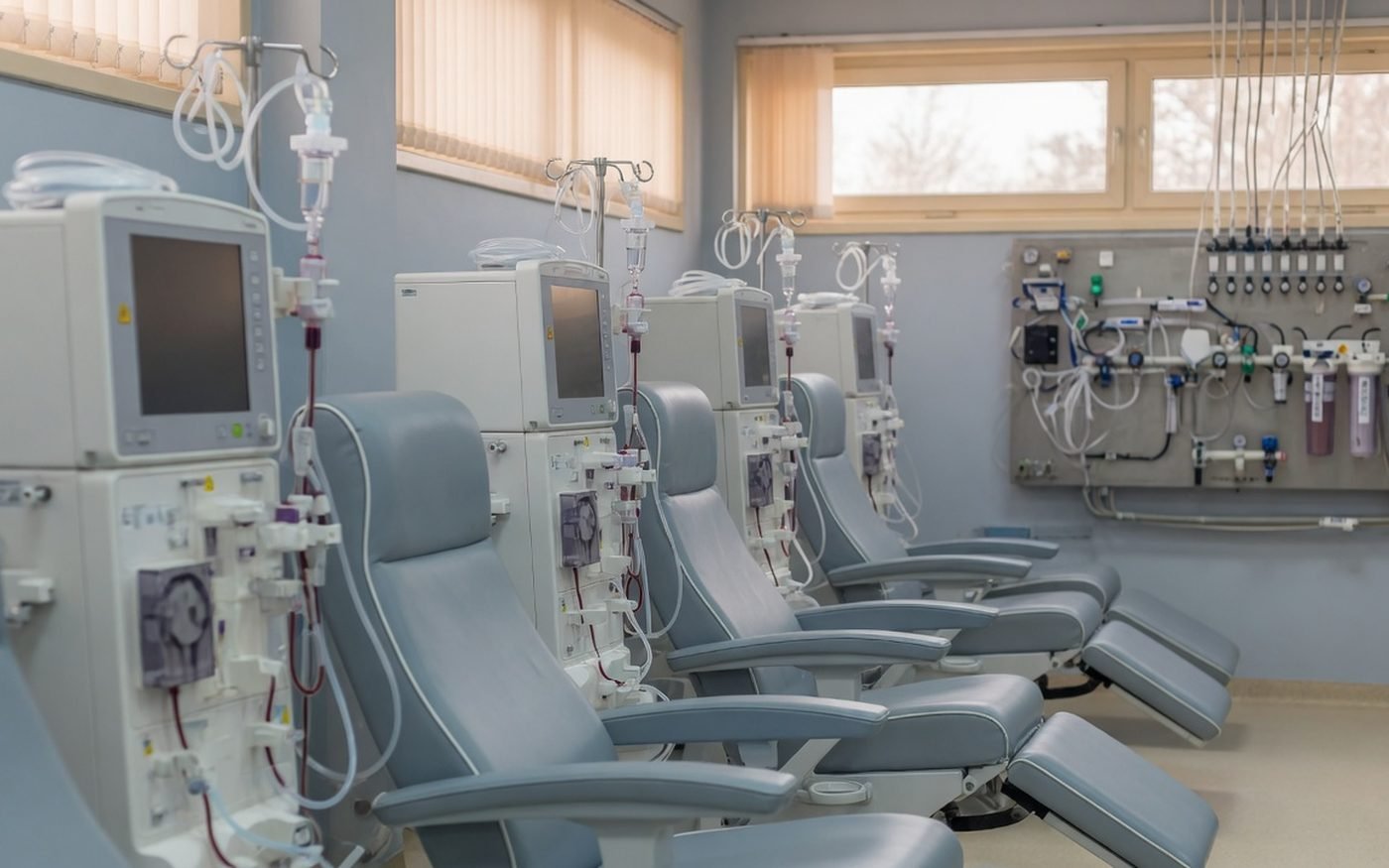
- Dialysis coordination during a treatment stay in India
- Kidney transplant evaluation, strictly within Indian transplant law (see the note below)
A plain statement of the law: Kidney transplantation in India is governed by the Transplantation of Human Organs and Tissues Act (THOTA). For international patients that means the donor must be legally eligible, almost always a near relative; the relationship must be documented and certified through your own country’s embassy, and a hospital authorization committee must approve the transplant before it can proceed. Paying a donor is a crime, deceased-donor allocation places foreign nationals after Indian citizens, and we do not quote transplant prices on this site. We coordinate only within these rules; if your situation does not fit them, we will say so plainly.
How a written second opinion works here
Most cases start here: a structured review of your records before anyone talks about travel. Sometimes the honest conclusion is that treatment close to home makes the most sense, and the opinion will say so.
- 1
Share your records securely
After we connect, we send you a secure link for your reports, imaging and prescriptions. Nothing sensitive goes through the website form. Your most recent documents are usually enough to start; we will ask for older ones only if the specialist needs them.
- 2
An independent specialist reviews your case
A doctor from our network who works in this field, not a call-center agent, reads your file against the treatment you have been advised. Where the records are incomplete, you are told exactly which test or report is missing before any conclusion is drawn.
- 3
You receive a written opinion to keep and share
A written document addressed to you: whether the advised treatment is in line with accepted practice, what the alternatives are, and the questions worth asking your treating doctor. It is meant to be shared with your own doctor, and it never replaces them.
If you decide to travel: how the full journey works
- 1
Share your case
Tell us your diagnosis and what treatment has been advised. After we connect, we send you a secure link for reports. Nothing sensitive goes through the website form.
- 2
Teleconsult with a specialist
We schedule a video consultation or a written second opinion with a specialist from our network who is relevant to your condition.
- 3
Transparent plan and quotes
You receive treatment options and itemized hospital quotes for your case. Our facilitation fee is shown separately, and it is never hidden inside a hospital bill.
- 4
We coordinate everything in India
Admissions, scheduling with real dates for your case, visa invitation paperwork, airport pickup, accommodation through our travel arm Tripcuro, and follow-up after you fly home.
Country guides for this specialty
The same process, written around the paperwork, flights, funding and questions patients actually face in each country.
-
Kidney care and transplant law in India, for Kenyan patients
Kidney care in India for Kenyan patients: what a nephrologist can judge from your reports, dialysis during a stay, and the transplant law explained plainly.
-
Kidney care and dialysis planning from Nigeria
Kidney treatment in India for Nigerian patients: dialysis planned around a one-stop journey, what a remote review settles, and the transplant law stated plainly.
-
Kidney care in India, and what the transplant law requires
Kidney care in India for Tanzanian patients: what a nephrology review settles remotely, dialysis while you travel, and the transplant law stated plainly.
Nephrology & Kidney Care: FAQs
Can you arrange a kidney donor for me?
What does a written second opinion cover for kidney disease?
How do you decide which hospital to recommend?
Tell us about your case
A few lines are enough to start. We respond within four business hours.
Discuss your case with a specialist
Share your diagnosis in a few lines. We'll tell you honestly whether a remote consultation or written second opinion makes sense, and if travel isn't warranted, we'll say that too.
We respond within four business hours.
We are a small team — on weekends, expect a reply within one business day.