
Medical treatment in India from Uzbekistan
Uzbekistan to India is one of the most travelled medical routes in Central Asia. Official Indian immigration data recorded nearly nine thousand medical arrivals from Uzbekistan in 2024, and the route keeps growing. The logistics are simple: an online e-Medical visa and a three-hour Tashkent–Delhi flight with many departures a week. What most families lack is not access; it is someone on their side of the table, with a published fee and itemized numbers. That is the part we are built for.
You always pay the hospital directly. We never hold treatment money. Our fees are published on the Fees page and appear as a separate line item, never inside a hospital bill.
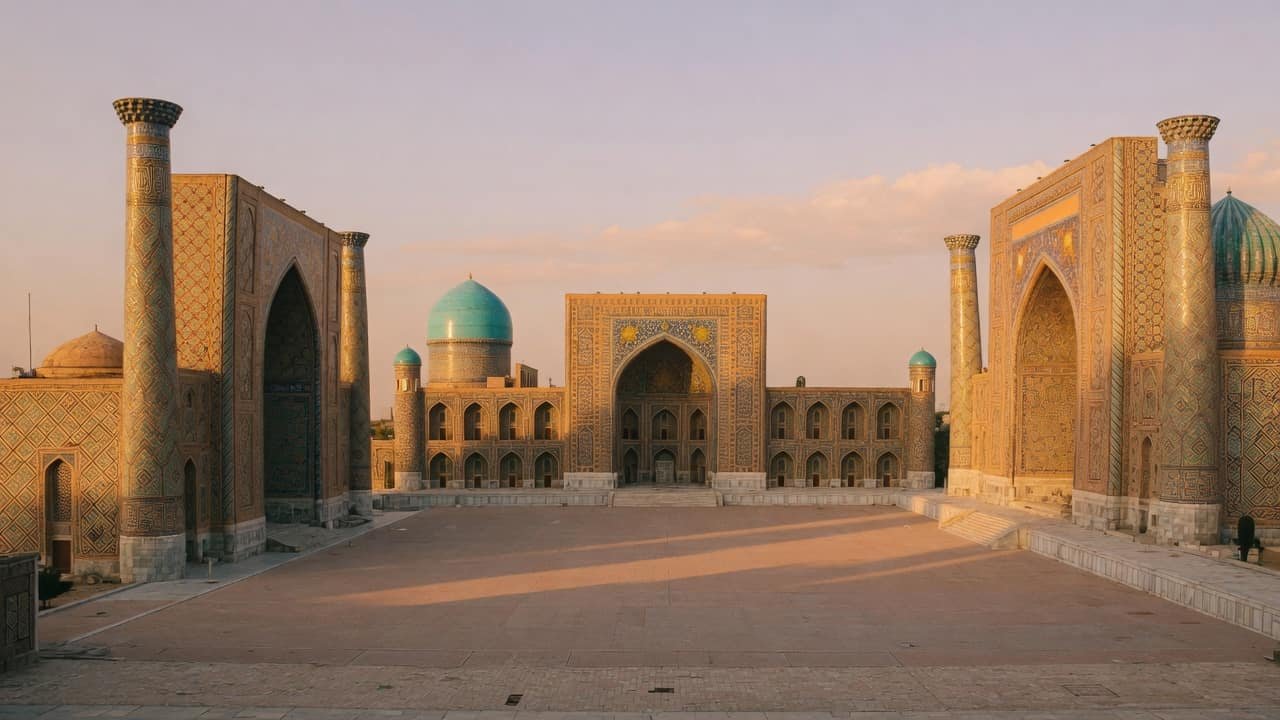
Tashkent to Delhi, about three hours
Around nineteen nonstop departures a week and an online e-Medical visa. We plan travel around your admission date, not the other way round.
Who this guide is for
- A major procedure has been advised (a kidney, liver or bone-marrow transplant, cancer treatment, cardiac surgery, neurosurgery) and your family is weighing India
- You want an independent written second opinion on a diagnosis or treatment plan before committing to major surgery anywhere
- Your family is pooling money for treatment and needs itemized cost documents everyone can read, question, and trust
- You have been offered a "free" agency package and want to know what the journey would cost, line by line
How it works, step by step
- 1
Start with records
You share your diagnosis and what has been advised. We send a secure link for reports and imaging. Nothing sensitive goes through the website form. Reports in Russian or Uzbek are translated into English for the reviewing specialist, with the translation cost shown to you as its own line.
- 2
Teleconsult or written second opinion
Before anyone books a flight, a specialist relevant to your condition reviews your case: a $50 video consultation or a $150 written opinion. Sometimes the honest answer is that travel is not needed.
- 3
Decide with evidence
If treatment in India makes sense, you get itemized quotes from suitable hospitals and a side-by-side comparison for your case. You decide. There is no obligation to continue.
- 4
e-Medical visa
Uzbek citizens can apply online for the Indian e-Medical visa, with no embassy queue. We coordinate the hospital invitation letter the application needs and give you a document checklist. Companions can typically apply for linked e-Medical Attendant visas. Confirm current terms on the official Indian visa portal.
- 5
Travel
Tashkent–Delhi is a nonstop flight of about three hours, with many departures every week across several airlines, plus a Mumbai–Tashkent service. Our travel arm Tripcuro plans flights around your admission date, airport pickup, and accommodation near the hospital.
- 6
Treatment
You pay the hospital directly, on the hospital’s own invoice, at the rates locked in writing before you flew. A named coordinator handles the practical side (appointments, interpretation arrangements, paperwork) so your family can focus on you.
- 7
Follow-up at home
Before you fly back you get your complete records in English, a discharge bill audit against the locked quote, and a follow-up plan your doctor in Uzbekistan can pick up.
Visa reality
Uzbek citizens are on the official eligibility list for India's e-Medical visa, applied for entirely online with no embassy queue. As of mid-2026 the official portal showed generous multiple-entry terms for e-Medical visas, and companions can typically apply for linked e-Medical Attendant visas. Terms change, so confirm current rules on the official Indian visa portal before applying. We coordinate the hospital invitation letter your application needs and hand you a checklist; decisions and timelines belong to the Indian authorities, and we will never pretend to influence them.
Flights reality
Tashkent–Delhi is a nonstop flight of about three hours, with around nineteen departures a week across several airlines as of mid-2026, plus a Mumbai–Tashkent service several times weekly. Treatment in other Indian cities usually means a short domestic connection from Delhi. Schedules change, so we confirm options when your dates firm up; Tripcuro, our sister travel company, handles bookings, airport pickup and accommodation near your hospital.
How payment works
Two separate payments, never mixed. Treatment costs go from you to the hospital directly, on the hospital's own invoice, at rates we lock in writing before you travel. We never hold or route treatment money. From Uzbekistan, co-badged Humo-Visa and Uzcard-Mastercard cards generally work abroad (check your bank's foreign limits first), and many families carry cash US dollars within the current export rules. We help you plan the route before you fly. Our facilitation fee is published on the Fees page ($50 teleconsult · $150 written second opinion · $1,000 full journey, milestone-gated), each step credited in full to the next.
What this journey looks like in practice
A well-travelled route
Nearly nine thousand medical arrivals from Uzbekistan were recorded by official Indian immigration data in 2024, making this one of India's larger and faster-growing treatment corridors. The cases that travel are mostly the serious ones: transplants, cancer care, cardiac surgery, neurology and neurosurgery, and fertility treatment, which is exactly where an independent written opinion before departure earns its keep.
Family-funded, by design
Most Uzbek cases are paid for by a family, not an insurer: parents, siblings, relatives working abroad, sometimes a wider circle contributing. We write every document (quote, fee invoice, milestone receipt) for that reality: verifiable numbers the whole family can read, question, and trust, in a form that can be forwarded in a group chat.
Transplant paperwork, respected
The biggest Uzbek cases are often living-donor transplants, and Indian law is strict: near-relative donors only, with an attestation chain that runs through your home authorities and your embassy in India before any hospital committee can approve surgery. We map that chain at the start, not after you land, and we tell you if a file will not pass.
How most agencies in this corridor are paid, and how we are
Tashkent has no shortage of India-treatment agents, hospital information desks and Telegram channels, and most are free to the patient, because a hospital pays them a commission for each patient delivered. In the Russian-speaking market the largest marketplace has described clinics sharing around 15% of the invoice, and industry analyses put the padding built into brokered international quotes at roughly 25–35%. "Free" shapes where you are sent, and it is ultimately priced into what you pay. We take no commissions from hospitals. Our fees are paid by you, published upfront, and itemized separately from your hospital bill. Put our itemized quote next to any package and compare, line by line: «без посредников» is exactly the comparison we invite.
Consultations in your language
Our own coordination runs in English. Many large Indian hospitals' international desks work with Russian-speaking coordinators and interpreters. Tell us your language needs upfront and we confirm what your shortlisted hospitals can provide before you pay anything. Uzbek interpretation is rarer in India, so Russian is usually the working bridge; reports in Russian or Uzbek are translated into English for the reviewing specialist, with translation shown as its own cost line, never hidden.
We respond within four business hours. We are a small team — on weekends, expect a reply within one business day.
What to prepare
- A passport valid well beyond your travel dates (check the current validity requirement when applying)
- Your most recent medical reports, imaging and prescriptions. We organize English translation where needed
- A referral or summary letter from your treating doctor in Uzbekistan, if you have one
- A clear funding plan: who is paying, how the money travels, and how it reaches the hospital directly
- For transplant cases: your near-relative donor’s documents, started early, because the attestation chain takes weeks
Treatment guides by specialty, for patients from Uzbekistan
Each of these covers the same Uzbekistan process (records, an independent review, itemized quotes, then coordination) with the detail that matters for that field of medicine.
-
Cardiology & Cardiac Surgery
Consultations and coordinated treatment for heart conditions, from angioplasty to bypass and valve surgery.
Read the guide →
-
Oncology
Second opinions on cancer diagnosis and treatment plans, and coordinated cancer care in India.
Read the guide →
-
Orthopedics & Joint Replacement
Joint replacement, spine surgery, and sports injury procedures with rehabilitation planned in.
Read the guide →
From Uzbekistan: FAQs
Do Uzbek citizens need to visit an embassy for an Indian medical visa?
How many flights are there from Tashkent to India?
Can we speak Russian or Uzbek during consultations and treatment?
Will my Humo or Uzcard card work in India?
We are considering a kidney or liver transplant: is there extra paperwork?
Tell us about your case
A few lines are enough to start. We respond within four business hours.
Start from Tashkent, Samarkand, or anywhere in Uzbekistan
Share your case in a few lines (WhatsApp works well). A person reads it and comes back with honest next steps, including whether travelling is worth it at all.
We respond within four business hours.
We are a small team — on weekends, expect a reply within one business day.