
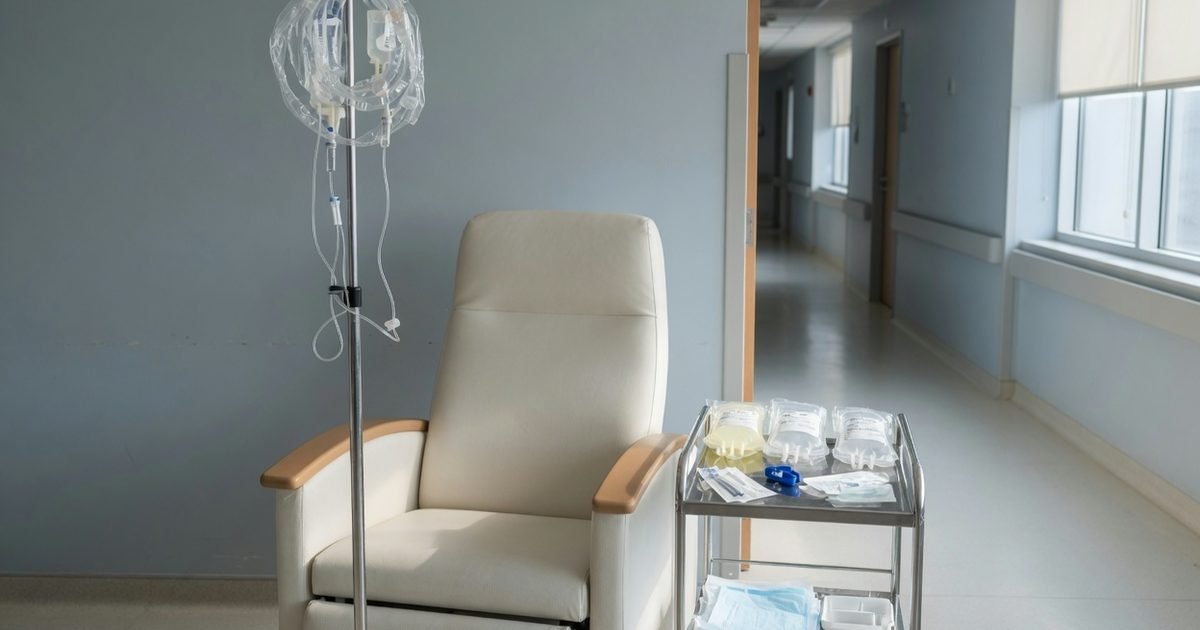
Cancer is the hardest treatment category to compare honestly, because the comparison is not one procedure with one price — it is a diagnosis, a stage, a protocol of many cycles, often surgery and radiation, and outcomes that no facilitator, hospital or article can promise. What can be compared honestly is the access and cost structure of each system: who pays, what published figures exist, and what a self-pay patient can actually verify before committing. That is what this article compares across India, the UK and Australia.
This article is logistics and money, not clinical advice. Your diagnosis, staging and protocol are questions for the oncologists who have actually seen your reports — and a written second opinion on those reports is the step we can help with.
Cancer treatment cost and access: the three countries at a glance
| Cost and access factor | INDIA | UNITED KINGDOM | AUSTRALIA |
|---|---|---|---|
| Published figure for chemotherapy (conventional) | About ₹20,000–2,00,000 per cycle (roughly $240–2,400) at private hospitals; targeted therapy and immunotherapy price above the band | No self-pay price list — NHS cancer care is free at the point of use for eligible residents | No self-pay price list — Medicare subsidises treatment for eligible residents; out-of-pocket costs vary and accumulate per Cancer Council Australia |
| How an eligible resident accesses care | Private self-pay is the norm for planned care, with insurance playing a growing role | NHS via GP urgent referral pathways | Public hospitals via specialist referral; private with insurance or self-pay |
| How a self-pay visitor is charged | Itemized written quotes from hospitals; you pay the hospital directly | Overseas visitors are charged 150% of the cost of NHS treatment, with defined exemptions; payment in full and in advance for non-urgent care | Charged as a non-Medicare patient; ask the hospital for a written estimate of charges before planning |
| What is checkable before travel | Rate-list ballparks and an itemized quote naming drugs, doses and cycles | The charging rules themselves; a private quote if you use private care | A hospital estimate; private insurer terms if you hold cover |
| What no published figure covers | Surgery, radiation, hospital stay, attendants and travel sit around the per-cycle figure | — | — |
What does cancer treatment cost in India?
The one grounded, published anchor is chemotherapy: our per-cycle chemotherapy cost guide puts conventional chemotherapy at private Indian hospitals at roughly ₹20,000–2,00,000 per cycle (about US$240–2,400), with targeted therapies and immunotherapy pricing above that band. The regimen drives the number — the government employee scheme’s published rate list prices the chair itself at a few hundred rupees (single drug ₹552, multiple drugs ₹897), which is why the drugs, not the setting, decide what a cycle costs.
The honest framing for a full cancer journey: it is a bundle. Surgery (priced per procedure, as in any surgical package), a protocol of chemotherapy cycles, possibly radiation, the hospital stay, attendants (India’s medical visa allows two), and travel around it all. No article can bundle those into one honest number for a diagnosis it has not seen — which is why the itemized written quote for your specific protocol is the only real figure, and why our guide to what treatment in India really costs spends its time on the quote’s line items rather than a headline.
How cancer care access and charging work in the UK
The NHS funds cancer care at the point of use for people who are ordinarily resident — referral through GP pathways, treatment under specialist teams, no bills. The published rules that matter to a comparison are the charging rules for everyone else: the government’s NHS entitlements: migrant health guide states that all overseas visitors will be charged 150% of the cost of NHS treatment for any care they receive, subject to defined exemptions (including reciprocal healthcare agreement holders and EHIC carriers in defined circumstances), and that payment in full and in advance is required for non-urgent treatment, while urgent care is provided first with payment requested afterwards. Two practical read-throughs: a UK resident’s cancer care is not a priced purchase, and a visiting patient’s planned cancer treatment in the UK is a chargeable purchase at a surcharge — with the exemption categories worth checking against your own status rather than assuming.
How cancer care access and costs work in Australia
Australia’s system assumes Medicare eligibility: public hospital treatment is subsidised for eligible residents, delivered through specialist referral, with private treatment running through insurance or self-pay alongside. The published fact that matters most to planning is Cancer Council Australia’s Financial Cost of Cancer policy work: even inside the subsidised system, out-of-pocket costs vary with individual circumstances — they may be low or high, once-off or frequent, and can accumulate over time — which is why the Council’s recommendations focus on reducing them. A visitor without Medicare sits outside those arrangements entirely; the planning step is a written estimate of charges from any hospital before anything is booked. Our article on Medicare and private insurance gaps for elective surgery covers the cost-sharing mechanics for residents.
What to check before committing to any country
- The diagnosis and the protocol, independently confirmed. Every cost question sits downstream of what is actually being treated and how. Our written second opinion ($150) reviews your reports and the proposed protocol and produces a document you can take to any oncologist anywhere; our cancer second-opinion guide explains what the review does and does not cover.
- The full journey, in writing. Whichever country you are weighing, ask for an itemized estimate covering drugs by name and dose, cycles, surgery, radiation, room category, and the exclusion list. Our guide to what treatment in India really costs lists the line items a real quote names.
- The availability question, honestly. Some regimens, machines or specialist teams are not available where a patient lives — that is a different driver than price, and our availability pillar page treats it as its own question.
What Medtu Care’s fees are, and what they are not
Our fees: $50 for a remote consultation, $150 for a written independent second opinion, $1,000 for full journey coordination — each credited in full toward the next step, paid by you and never by a hospital. We are a facilitator, not a hospital and not a clinical authority: we do not treat cancer, we do not make clinical decisions, and we do not promise outcomes. Your treatment decisions rest with you and your treating oncologists.
The fees page states the terms in full, including the crediting and refund rules.
Sources
- Chemotherapy Cost in India Per Cycle — Medtu Care. The India column of the table and the India cost section: conventional chemotherapy commonly about ₹20,000–2,00,000 per cycle (roughly $240–2,400) at private hospitals, targeted therapy and immunotherapy above the band, and the CGHS chair-charge lines (single drug ₹552, multiple drugs ₹897) that show the regimen drives the price. Accessed 5 October 2026.
- NHS entitlements: migrant health guide — GOV.UK. The UK column of the table and the UK section: overseas visitors charged 150% of the cost of NHS treatment for any care they receive, with defined exemptions, and payment in full and in advance required for non-urgent treatment while urgent care is provided first. Accessed 5 October 2026.
- Financial Cost of Cancer | Treatment and Care Policy — Cancer Council Australia. The Australia column of the table and the Australia section: out-of-pocket costs vary with individual circumstances — low or high, once-off or frequent, accumulating over time — and the policy focus on reducing that burden. Accessed 5 October 2026.
- What Treatment in India Really Costs — Medtu Care. The itemized-quote framing across the article: what a written quote names, excludes, and should be checked against. Accessed 5 October 2026.
- When the Treatment Isn’t Available at Home — Medtu Care. The availability framing in the closing section: availability as a driver distinct from price. Accessed 5 October 2026.
- Cancer Second Opinion Online from Indian Specialists — Medtu Care. The second-opinion framing for oncology in the closing section. Accessed 5 October 2026.
- Medtu Care fees page. Grounds the closing fees section: $50 for a remote consultation, $150 for a written independent second opinion, $1,000 for full journey coordination, each credited in full toward the next step. Accessed 5 October 2026.